
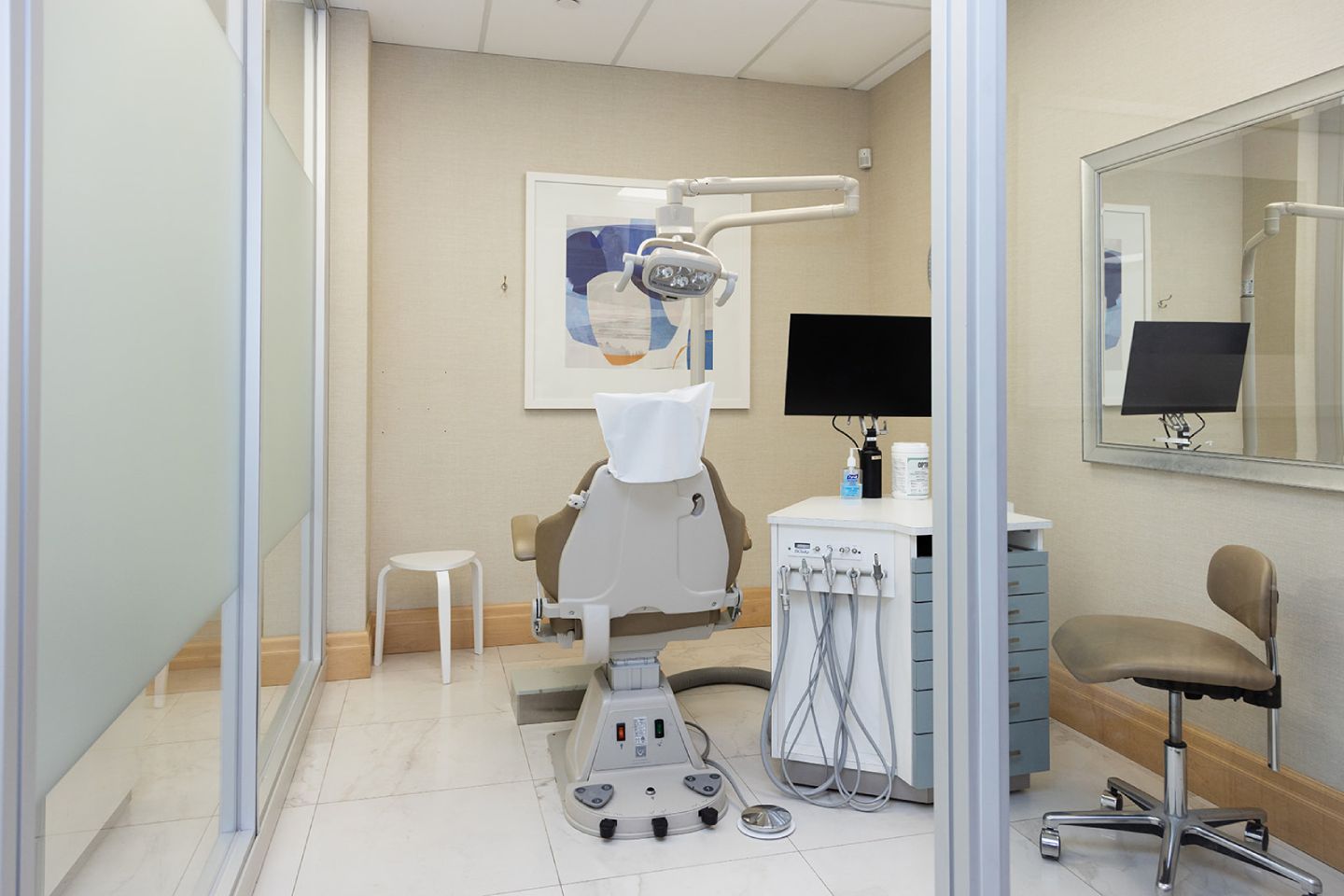
Wisdom teeth that do not hurt can still need removal. Pain is a late signal, and many third molar problems, like a tooth trapped under the gum, start quietly. An exam with imaging is the only reliable way to know.
Plenty of teens and young adults hear from their dentist that their wisdom teeth should come out, even though nothing aches. It is a fair question to ask why. Below we explain what we look for, when watching is reasonable, and why timing matters for comfort and recovery.
Why Would Wisdom Teeth That Feel Fine Need to Come Out?
Wisdom teeth, or third molars, are the last permanent teeth to arrive, usually between ages 17 and 25. By then the jaw is often already full. When there is not enough room, a wisdom tooth can stay trapped beneath the gum or bone, which is called an impacted tooth, or it can come through only part of the way.
An impacted tooth does not always announce itself. It can sit at an angle against the molar in front of it, collect bacteria under a flap of gum, or slowly affect the bone around it, all without steady pain. By the time it does hurt, there may already be an infection, gum disease or damage to the neighbouring tooth.
That is why removal is sometimes recommended before symptoms show. If a wisdom tooth is impacted, angled incorrectly or contributing to crowding, taking it out early can prevent pain, swelling and infection, protect the surrounding teeth and bone, and lower the chance of cysts and long term damage.
What Problems Can Silent Wisdom Teeth Cause?
Most issues fall into a few groups. Some affect the gums, some affect the teeth nearby, and some affect the jaw itself. None of them happens to everyone, which is why an individual assessment matters more than a general rule.
A partly erupted wisdom tooth leaves an opening where food and bacteria collect. The gum over it can become inflamed and infected again and again, and that area is hard to clean with a toothbrush. A tooth that is tipped forward can push against the second molar, making it harder to keep clean and raising the risk of decay where the two teeth touch.
Teeth trapped deep in the bone can also develop a fluid filled sac around them. Over time that sac can grow into a cyst and affect the bone and nearby roots. These changes show up on X-rays long before most people feel them, which is one reason imaging is part of every wisdom tooth consultation with us.
When Is It Reasonable to Leave Wisdom Teeth Alone?
Not every wisdom tooth needs to be removed. If a wisdom tooth has fully erupted, sits upright, meets the opposing tooth properly, has healthy gum around it and can be cleaned well, monitoring may be all it needs. Some people also have wisdom teeth that are buried deeply and show no signs of change.
Leaving a tooth in place is still a decision that needs follow up. Your dentist can keep an eye on it at regular checkups, and repeat imaging can show whether anything is changing. The comparison below shows the factors that usually point toward monitoring and those that usually point toward removal.
| What the exam shows | Usually points toward monitoring | Usually points toward removal |
|---|---|---|
| Position | Fully erupted and upright | Impacted, tipped or angled toward another tooth |
| Gum tissue | Healthy and easy to clean | Partly covered tooth with gum that traps food |
| Neighbouring teeth | No pressure or decay on the second molar | Pressure, decay or bone loss next to the second molar |
| Bone on X-ray | Normal bone around the crown and roots | Signs of a cyst or bone change around the tooth |
| Bite and space | Enough room in the jaw | Not enough room, or concerns about crowding |
Why Does Age Matter for Wisdom Tooth Removal?
We recommend having wisdom teeth assessed in the early teen years, before most problems develop. Planning early gives you more choice about when surgery happens, rather than waiting for pain to decide for you.
Timing can also fit around school, sports and work. Most patients return to normal daily routines within one to two days and pause heavy activity or sports for about a week, then build back up. For older teens and adults, an early assessment still helps, even if removal ends up being the right call later.
If you or your teen is in orthodontic treatment, timing is worth discussing with both teams. Because our orthodontists and oral surgeons work under one roof, we can look at your bite, your braces or aligner plan and your wisdom teeth together. For younger patients, our post on early orthodontic treatment explains why we start watching development early.
How Do We Check Wisdom Teeth Before Recommending Surgery?
Every wisdom tooth assessment starts with imaging. We use digital panoramic X-rays and digital scans to see the position of each tooth, the shape of the roots and the bone and nerves nearby. For more complex cases, our imaging technology also includes CBCT, which gives a three dimensional view of the jaw.
You will always see the doctor at your consultation. Our oral and maxillofacial surgeons, Dr. Peter Gioulos and Dr. Ross Linker, review the images with you, explain what they see in plain language and tell you whether they recommend removal now, later or not at all. If your dentist is referring you, they can send the referral to our surgical team.
What Happens If You Decide to Have Them Removed?
Depending on how complex the removal is, you will receive local anesthetic, sedation or general anesthesia. The surgery itself may involve small incisions, removing a little bone or sectioning the tooth, and dissolvable stitches are used if required. Most patients return home the same day, and we schedule check-ins to monitor healing.
Recovery follows a fairly predictable path. Expect swelling, mild discomfort and possible bruising for the first one to three days, with ice packs, a raised head and soft foods helping most. Swelling and pain should ease noticeably by days four to seven, and most patients are back to all normal activity within two to three weeks. To protect the healing site, avoid straws, smoking and vigorous rinsing, as our guide to dry socket after wisdom tooth removal explains. If you want to compare comfort options first, sedation and general anesthesia are covered in a separate post.
Frequently Asked Questions
Is it normal for wisdom teeth not to hurt even if they are impacted?
Yes. Many impacted wisdom teeth cause no pain for years. Problems like gum infection, pressure on the second molar or bone changes can develop quietly, which is why imaging matters more than how the tooth feels.
What age should wisdom teeth be checked?
We recommend an assessment in the early teen years. Wisdom teeth usually emerge between ages 17 and 25, so an early look gives you time to plan instead of reacting to pain.
Can I keep my wisdom teeth if they are healthy?
Often, yes. If they are fully erupted, upright, easy to clean and not affecting nearby teeth or bone, monitoring at regular checkups may be enough.
How do I book an oral surgery consult?
Request a consult through our oral surgery consult page or call (705) 435-1315. If your dentist is referring you, they can send the referral to our surgical team. The consult fee follows the Ontario Dental Fee Guide.
Get a Clear Answer About Your Wisdom Teeth
If your dentist has flagged your wisdom teeth, or you simply want to know where they stand, our team can give you a clear answer and a plan. Learn more about wisdom tooth removal in Alliston, then book an oral surgery consult at Alliston Orthodontics & Oral Surgery and we will review your imaging and talk through your options.