With braces, you can still eat most of your usual meals: soft and cooked foods, pasta, rice, eggs, fish, tender meat, yogurt, soft fruit and most breads. What changes is the hard, sticky and chewy stuff. Popcorn, gum, hard candy, caramel and anything you have to crack or tear with your front teeth can break brackets or bend wires.
Food is one of the first questions we hear from patients and parents when braces go on. Every orthodontic patient at our Alliston office gets a full list of foods to avoid, and the good news is that most meals and snacks stay on the table with a few simple adjustments. Here is a practical breakdown of what to eat, what to skip and how to make the first week easier.
Why Do Some Foods Cause Problems With Braces?
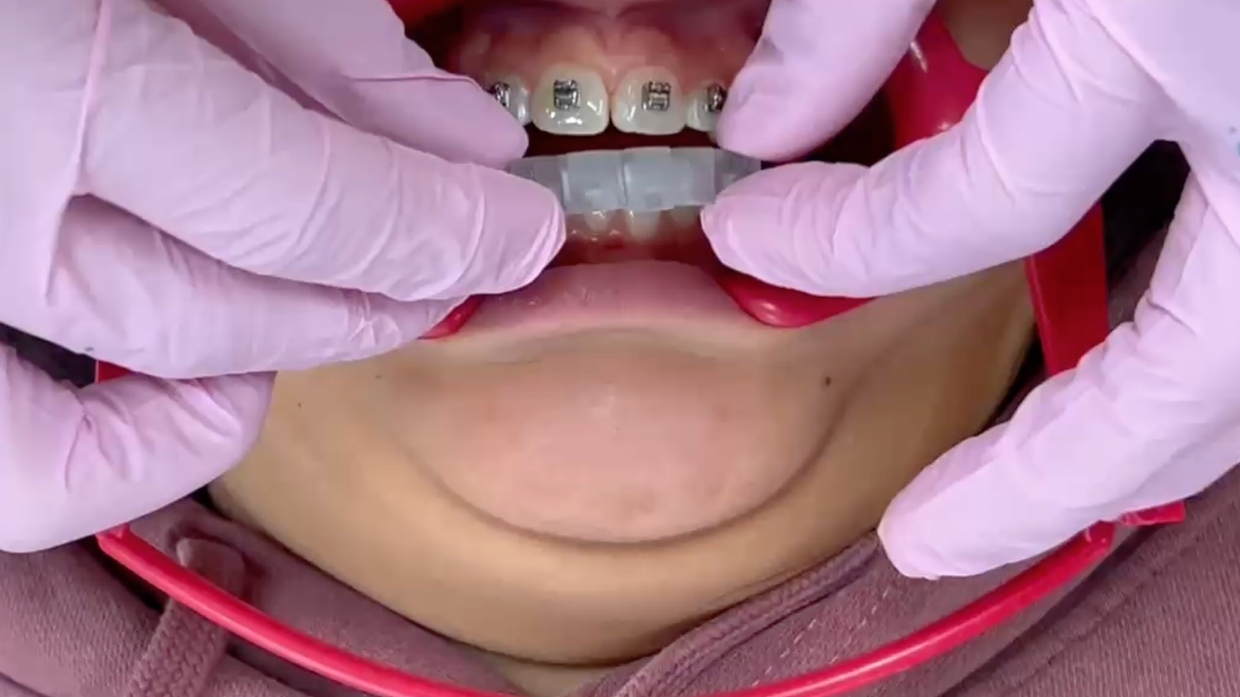
Brackets are bonded to the front of each tooth, and a thin wire runs through them. That system is strong enough to move teeth, but it was not designed to take sudden, concentrated force. Biting into something hard can pop a bracket off the tooth or bend the wire. Sticky and chewy foods pull on brackets as you chew and wrap around the wire, where they are hard to clean away.
Damage matters for more than the inconvenience of an extra visit. A loose bracket or bent wire stops applying the planned pressure to that tooth until it is repaired, which can slow your progress. Food packed around brackets also feeds the plaque that causes cavities and puffy gums. Choosing braces friendly food protects both your treatment timeline and your teeth.
What Foods Are Safe to Eat With Braces?
Think soft, tender and easy to chew. Most of what you already eat at home qualifies, sometimes with a small change in how you prepare it. Cook vegetables until they are tender, cut meat off the bone into small pieces, and slice firm fruit into thin wedges instead of biting into it whole.
Good everyday choices include pasta, rice and noodles; scrambled eggs and omelettes; soups and stews; fish, chicken and tender ground meat; soft bread, pancakes and muffins without nuts; yogurt, cheese and milk; bananas, berries, applesauce and other soft fruit; mashed potatoes, steamed vegetables and beans. Smoothies are filling and gentle on sore teeth, and soft desserts like pudding or ice cream without hard mix ins are fine as an occasional treat.
| Food group | Enjoy | Skip or adapt |
|---|---|---|
| Fruit and vegetables | Bananas, berries, applesauce, cooked or steamed vegetables | Whole raw apples and carrots: slice thinly or cook instead |
| Grains and bread | Pasta, rice, soft bread, pancakes, oatmeal | Hard crusts, bagels and crunchy crackers: tear into small pieces or avoid |
| Protein | Eggs, fish, chicken, tender ground meat, beans | Meat on the bone and tough jerky: cut meat off the bone into small bites |
| Dairy | Yogurt, soft cheese, milk, smoothies | Very hard cheeses: choose softer varieties |
| Snacks and treats | Pudding, soft cookies, ice cream without hard mix ins | Popcorn, nuts, hard candy, caramel, toffee, gummies and gum |
Which Foods Should You Avoid With Braces?
Our braces FAQ sums it up: avoid hard, sticky or chewy foods, like popcorn, gum or hard candy, that can damage your brackets or wires. Our patient resources add caramel to that list. In practice, the foods that cause the most repairs fall into three groups: hard foods you crunch, sticky foods that cling, and foods you have to bite into with your front teeth.
Hard foods include nuts, ice, hard candy, hard pretzels, corn chips and popcorn, whose kernels also wedge under the gum and around brackets. Sticky and chewy foods include caramel, toffee, taffy, gummies, licorice and gum. Foods you bite into include corn on the cob, whole apples, crusty rolls and ribs. Most of those can still be enjoyed if you cut the food off the cob or bone and eat it in small pieces with your back teeth. Habits count too: chewing on pens, pencils or ice breaks brackets just as easily as food does.
What Should You Eat the First Week After Braces Go On?
Expect some tenderness for the first few days after your braces are placed and after adjustments. Our FAQ for kids notes that this soreness typically goes away in a few days, and over the counter pain relief usually keeps it manageable. During that window, lean on the softest foods on the list: smoothies, yogurt, soup, mashed potatoes, scrambled eggs, pasta and oatmeal.
Cool foods and drinks can feel soothing, and very chewy or tough foods can wait until your teeth settle. Cut everything into small bites and chew slowly with your back teeth. By the end of the first week, most patients are back to a normal braces friendly diet, and the same soft food plan works for a day or two after each adjustment.
How Do You Keep Braces Clean After Eating?
Food that stays around brackets is the real enemy of a healthy finish. Our patient resources recommend brushing thoroughly after every meal and flossing daily to prevent plaque buildup. If you cannot brush right away, rinse well with water and brush as soon as you can. Our team will show you the right techniques at the start of treatment and may recommend tools like orthodontic brushes or floss threaders.
Sugary and acidic drinks deserve a mention too. Sipping pop, sports drinks or juice throughout the day bathes your teeth and brackets in sugar and acid. Water is the smartest everyday drink during treatment, and if you do have a sweet drink, have it with a meal and rinse afterward.
Can Teens and Kids Stick to the Food Rules?
Most do, especially once they see how quickly a broken bracket can add an extra appointment. Our FAQ for parents of teens is clear that there are food restrictions, but that teens can still enjoy most meals with a little extra care. Packing braces friendly snacks for school, sports and band trips makes it easier to avoid the vending machine, and a travel toothbrush in a backpack helps with cleaning after lunch. Our braces for teens page covers how treatment fits around a busy school schedule.
What If You Break a Bracket or Bend a Wire?
It happens, even to careful eaters. A loose bracket is usually not an emergency, but let us know so we can plan the repair. If a wire is poking, orthodontic wax pressed over the end can protect your cheek until you are seen. For urgent problems outside office hours, our after hours care page explains how orthodontic patients can text our team with their name, the patient’s name and a description of the problem, including photos. Our post on orthodontic emergencies covers the most common issues.
Frequently Asked Questions
Can I eat pizza with braces?
Yes, with care. Soft pizza cut into small pieces is fine. Skip or tear off a hard, crunchy crust, and chew with your back teeth rather than biting into the slice with your front teeth.
Can I chew gum with braces?
No. Gum sticks to brackets and wires and can loosen or bend them. It is on the list of foods to avoid for the length of treatment.
Is popcorn really that bad for braces?
Yes. Hard kernels can break brackets, and the thin hulls wedge under the gums and around brackets where they are hard to remove. It is one of the foods our braces FAQ names specifically.
Do clear aligners have food restrictions?
Not in the same way. With Invisalign, you remove the aligners to eat and drink, then brush before you put them back, so you can eat normally. Aligners need to be worn 20 to 22 hours a day to work.
Start Braces With Clear Guidance From Day One
Food rules are much easier when you know them before your braces go on. Our braces treatment includes a full list of foods to avoid and practical tips for eating comfortably. If you would rather keep eating without restrictions, ask about Invisalign clear aligners. Book a free orthodontic consult at Alliston Orthodontics & Oral Surgery to talk through your options.