
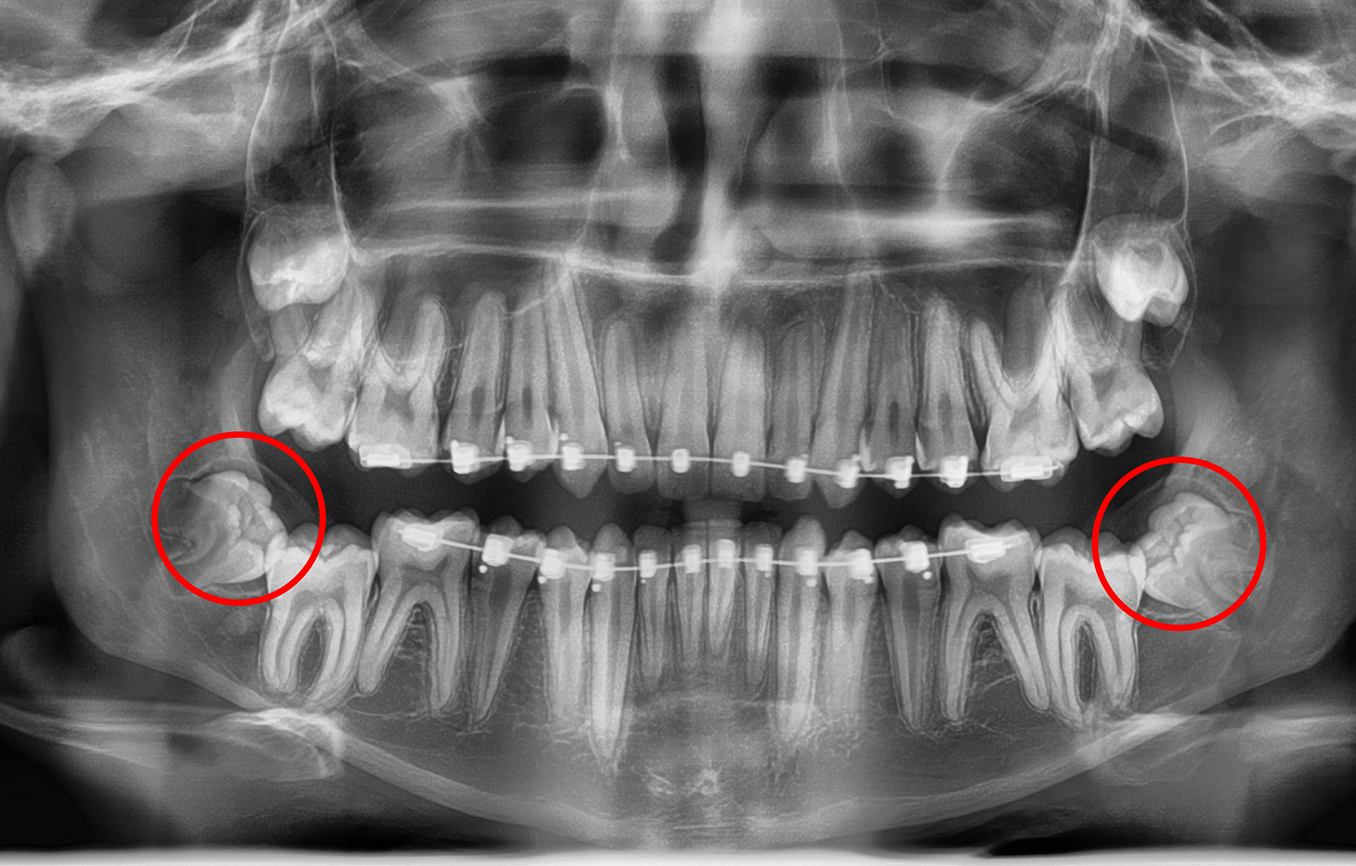
Dental Implants
Dental implants are one of the most trusted and long-lasting solutions for replacing missing teeth. At Alliston Orthodontics & Oral Surgery, our oral surgeons specialize in precision-placed implants that look, feel, and function like natural teeth. Whether you’re missing a single tooth or preparing for a more comprehensive restoration, implants offer a stable and durable foundation.
A dental implant consists of a small titanium post that integrates with your jawbone, creating a secure base for a crown, bridge, or denture. This not only restores your smile—it also helps maintain healthy bone structure and prevents the changes in facial shape that often occur after tooth loss.
Benefits of Dental Implants:
- Natural appearance and comfortable feel
- Long-lasting, durable solution
- Supports healthy jawbone and facial structure
- Improves chewing, speech, and confidence
- No slipping or adhesive like with removable dentures
Using advanced imaging and guided surgical techniques, we create a customized implant plan tailored to your needs. Our team collaborates closely with your general dentist or restorative partner to ensure seamless treatment from the surgical phase through your final restoration.
If you’re looking for a permanent, reliable way to restore your smile, dental implants may be the ideal solution—and our in-house surgical expertise ensures the highest standard of care at every step.
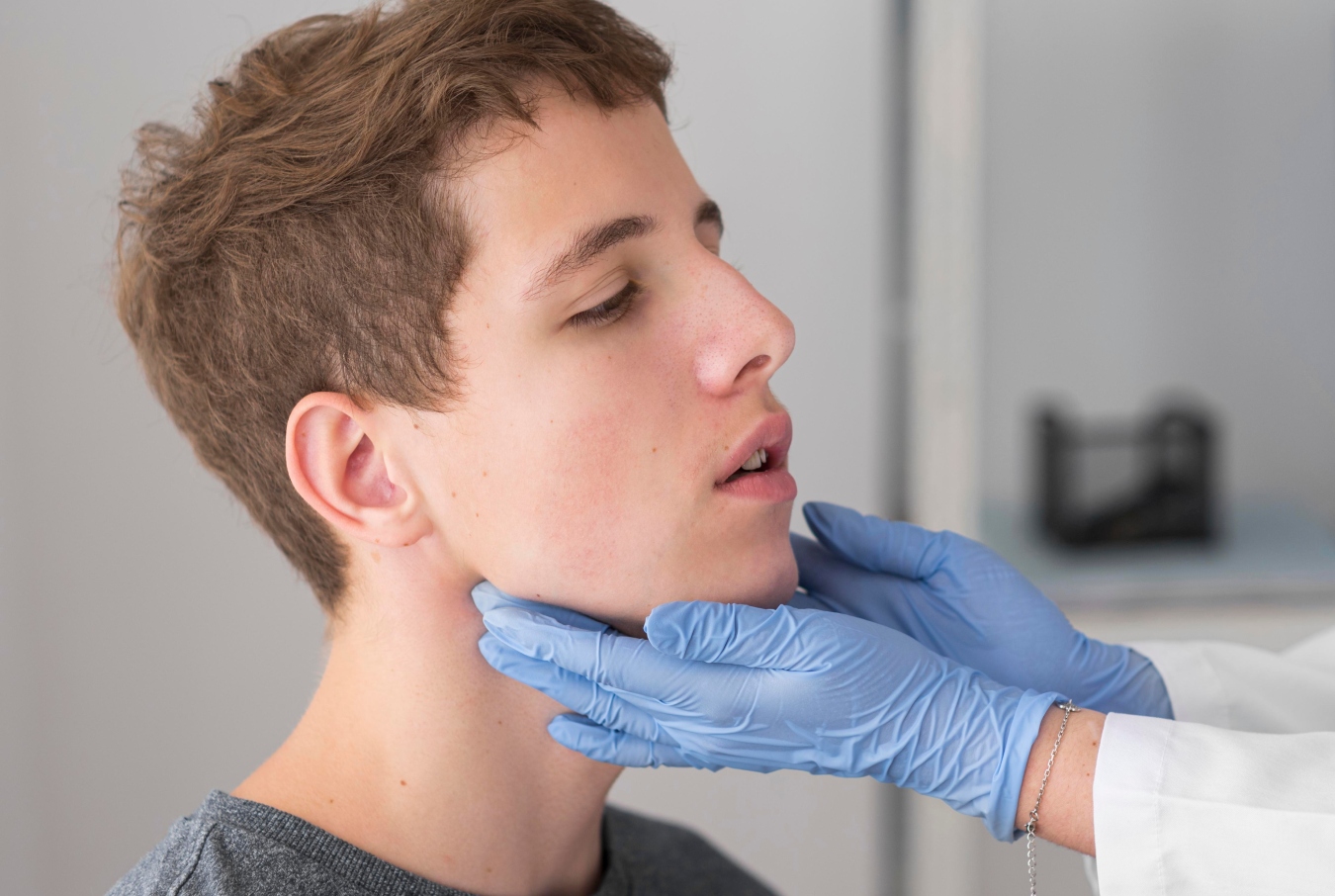
Orthognathic Surgery
Orthognathic surgery—also known as corrective jaw surgery—is a specialized procedure used to correct significant jaw misalignments that affect how the upper and lower jaws fit together. These issues can impact not only your bite but also your ability to chew, speak, breathe, and smile with confidence.
When Is Orthognathic Surgery Recommended?
Orthognathic surgery may be necessary if you experience:
- Severe overbite, underbite, or open bite
- Difficulty chewing, swallowing, or speaking
- Facial imbalance or asymmetry
- Obstructive sleep apnea
- Jaw pain or dysfunction (TMD/TMJ)
- Problems that braces or aligners alone cannot fix
The process typically involves braces before and after surgery, with the surgical procedure planned once your teeth are in the optimal position. Using 3D imaging, digital planning tools, and advanced surgical techniques, we create a highly customized treatment plan to reposition the jaws and achieve ideal facial balance and function.
Why Choose Us for Orthognathic Surgery?
- Experienced oral & maxillofacial surgeons on-site
- Seamless coordination between orthodontic and surgical teams
- State-of-the-art imaging and treatment planning
- Personalized care and ongoing support throughout your journey
Orthognathic surgery can be life-changing—relieving pain, improving breathing, enhancing appearance, and restoring confidence. Our team is here to guide you through every step of the process with skill, compassion, and a commitment to excellence. Learn more about jaw (orthognathic) surgery in Alliston, ON, including candidacy, treatment planning, and recovery.
Surgical Instructions
Instructions Before Sedation
- Do not drink or eat anything for at least 8 hours prior to your appointment
- Do not wear excessive makeup, like nail polish and lipstick
- Wear loose clothing with sleeves that can be rolled up past the elbow
- Contact lenses, jewelry, and dentures should be removed
- If you are sick (i.e., cold, flu, sore throat, stomach, or bowel upset), please notify the office
- If you take routine oral medications, please notify the office prior to your surgical date for instructions
- Please do not smoke at least 12 hours before surgery, and discontinue smoking for 7 days after surgery
- Please discontinue any recreational drugs 24 hours before surgery
- You should not drive a vehicle or operate any machinery for 24 hours following the anaesthesia.
- Please have a family member or friend accompany you to the office and take you home. They should supervise you until you are alert and oriented.
Post Surgery Instructions
Bleeding:
- Minor bleeding/oozing may continue for 1–2 days
- Place a gauze pack over the surgical area and bite for ~30 min. (don’t leave in while eating or sleeping)
- Repeat gauze every ~30 min. until the bleeding slows down (don’t leave it in while eating or sleeping)
- Avoid spitting or talking too much for the first day
- Avoid sucking actions for 7 days (smoking, straw use)
- For excessive bleeding, try a moist tea bag over the surgical area
Pain:
- The first 24–48 hours will usually be the most painful
- For minor pain, use over-the-counter pain medication (i.e., Advil, Motrin, Tylenol)
- For more serious pain, use the prescribed pain medication as directed
Swelling/Bruising:
- Swelling is common for 1–7 days
- If bruising develops, it should resolve in 7–14 days
- Place an ice pack on the cheek area for 30 minutes and alternate sides for 24 hours
- After 24 hours, use warm, moist heat for comfort
- Sleep with your head elevated with two pillows
Diet:
- Remove the gauze pack when eating or drinking
- After the bleeding slows down and the freezing starts to wear off, start with cool, clear liquids
- Avoid hot liquids/foods for 24 hours
- Gradually increase your diet to soft foods
- If you are nauseated and a carbonated beverage does not improve it, try some over-the-counter Gravol
Other Instructions:
- After sedation, you must have supervision for 24 hours
- NO ALCOHOL FOR A MINIMUM OF 18 hours after surgery
- After sedation, do not drive a motor vehicle or operate machinery for 24 hours
- Brush teeth carefully, avoiding the surgical area
- Gently rinse your mouth with warm salt water after each meal
- Stitches will dissolve gradually in 5–7 days
- If hives or an itch develop on your skin, stop the prescribed medication and contact the on-call surgeon
- If your recovery is not improving after 5–7 days, please call the office